
Keeping your house or company at a suitable temperature throughout the year necessitates installing an appropriate HVAC system. But between commercial AC vs residential HVAC, which one should you use?
There are many distinctions between residential and business HVAC systems. While they both heat, calm, and ventilate buildings, they are distinct in their installation and operation. Continue reading to find out more about the distinctions between commercial vs residential HVAC.
Dimensions Of The System
The size disparity between commercial vs residential HVAC systems is one of the most visible variances. Because they must cool or heat a considerably more extensive area, commercial HVAC systems are more significant than residential HVAC. This ensures that your heating and cooling system can heat and cool your house or workplace properly.
Location Of The System
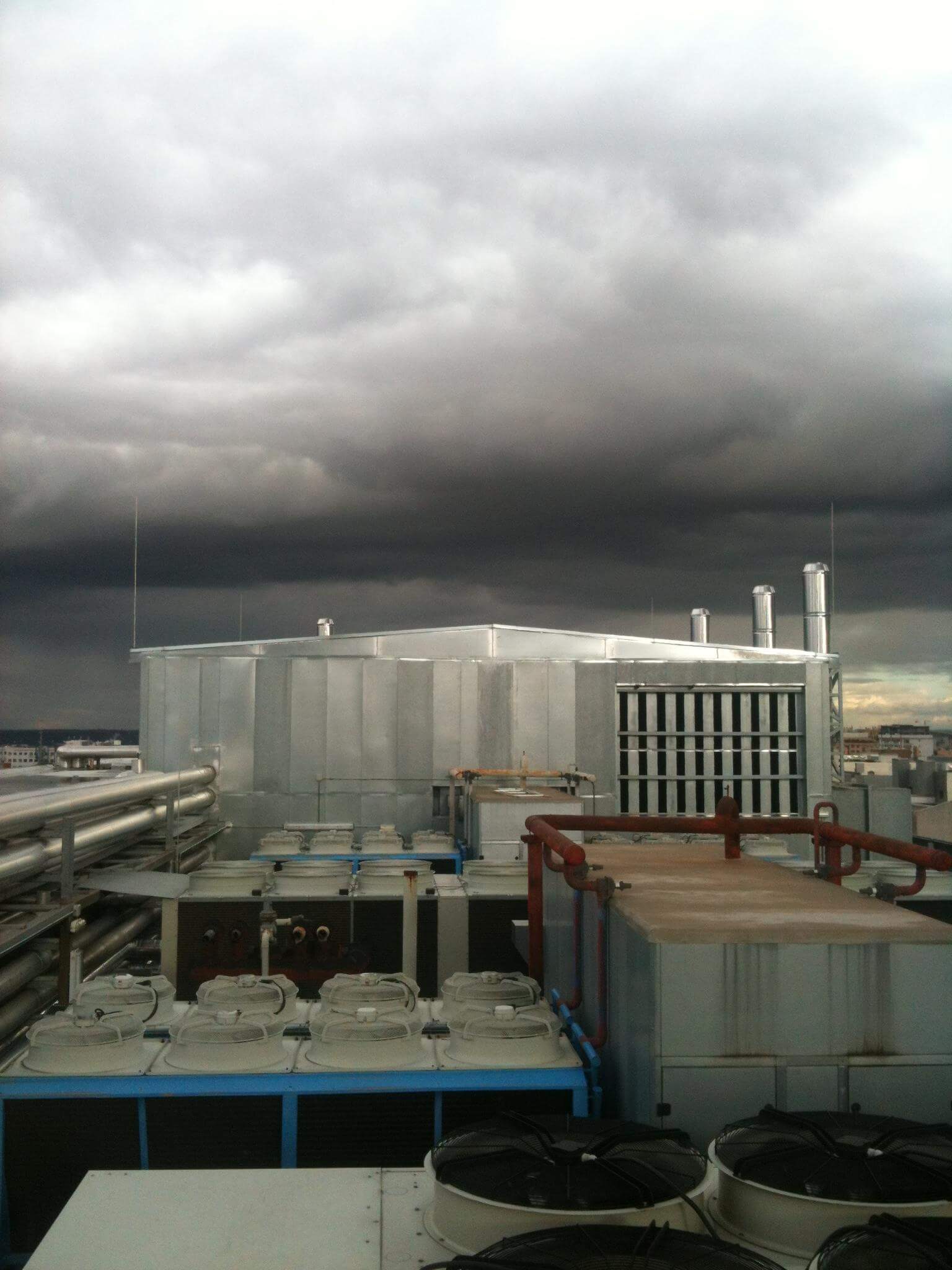
A more extensive system needs more equipment space. Heating and cooling systems for houses are often placed in the basement, crawlspace, or on the side of the building. For instance, an oversized HVAC system produces a lot of noise. In this case, a rooftop location assures less noise for the building’s tenants. Hence, it’s not inconvenient for others even if you use it throughout the night. Moreover, HVAC technicians do not need to divert from the building’s original function to do routine maintenance or a complete replacement.
Standalone Vs Modular
Commercial businesses build modular components that may be expanded as needed. It provides the owner greater control over the heating and cooling system and allows them to alter it as required. It also helps in constructing HVAC systems because the components are easier to handle on their own. On the other hand, residential systems create two separate units that must communicate with one another if the owner wishes to make significant modifications to heating and cooling.
Split Vs Packaged
Residential units are split, whereas commercial units are packaged.
There is usually an internal evaporator and an external compressor. Most commercial systems, however, combine heating and cooling in a single rooftop unit. Prefabricated commercial units are easier to access but more complex to maintain. Several thermostats are more likely to be used in commercial systems to control the temperature in various zones.
The HVAC System’s Complexity
An HVAC system’s complexity corresponds to the complexity of the building in which it is placed. Commercial HVAC systems, on the other hand, must be far more sophisticated because commercial buildings often have different heating and cooling requirements in different locations. Great conference rooms, for example, must constantly be maintained at a lower temperature than other rooms due to many people present. Commercial vs residential HVAC systems must fulfil distinct demands, which necessitates varying degrees of sophistication to do so.
Purpose Of Hvac
HVAC systems offer environmental comfort in a wide range of situations, including single-family houses and submarines. HVAC or ventilation also represents the process of replenishing or exchanging the air within a space as it removes moisture, smoke, odours, heat, dust, airborne bacteria, carbon dioxide, and other pollutants and manages temperature and replenishes oxygen to improve indoor air quality.
Conclusion
Although there are numerous distinctions between commercial vs residential HVAC, both systems still work efficiently to keep us comfortable in our homes. Moreover, when we are inside, effective HVAC allows us to enjoy the convenience of fresh air, sufficient ventilation, and a consistent and comfortable temperature.