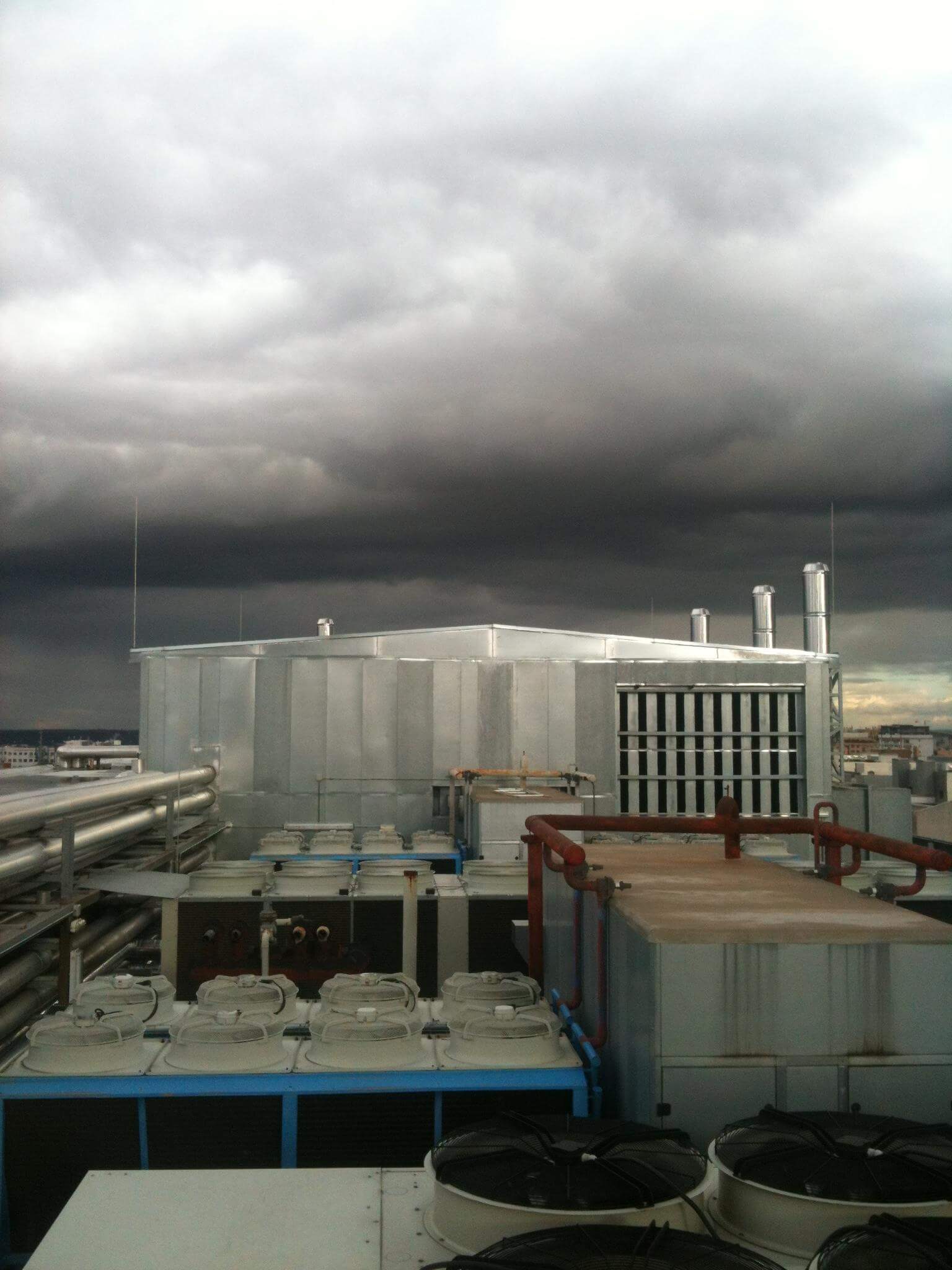

The material, technologies, and procedures which go into warming, cooling and Ventilation of a business or residential facility are referred to as an HVAC system. Commercial air conditioning, heating systems, heaters, air – conditioning units, ductwork, ventilator lines, filtration, and other air quality items are examples of typical equipment covered in this category.
What Is Heating, Ventilation, And Air Conditioning Equipment?
HVAC is an abbreviation for heating, ventilation, and air conditioning. HVAC is in charge of heating and cooling a facility. It also serves as a source of effective ventilation, enabling moisture to escape.
HVAC units come in a variety of forms and sizes, each with its own set of advantages based on their design and the environment in which they are utilised. Units may be made up of any combination of the following:
- Boilers
- Units for air conditioning
- Moisture vents and ducts
Even though air conditioning units are included under the HVAC umbrella, not all HVAC equipment are air conditioning units. What’s vital to grasp, as stated above, is that it’s a broader concept. Consider it an umbrella term for a variety of interconnected air control systems.
What Is The Function Of An HVAC System?
The most crucial thing to remember is that HVAC systems move air. In general, there is a mechanism in place to transport warm air somewhere, whether into and out of the house. The heat is captured or created by the air conditioner, heating system, and furnace in a home and then moved by the compressor and ducting.
We’ll take a closer look at each micro and discuss special equipment and procedures in the sections below. It’s crucial to remember that a central air HVAC system is an alive, moving system that works as a unit. The heating and cooling systems aren’t entirely separate, and the parts and procedures that help them work together frequently overlap.
How Does Home Heating Work?
A furnace creates heat by burning its fuel supply or by using electric power. The most common source of fuel is gas, but methane or oil can also be used.
When it comes to heating, a heating system operates a little simpler. It absorbs and distributes heat from the exterior unit to the interior. It’s not so much about creating heat as it is about transporting it from one position to another.
Who Is Qualified To Service HVAC Equipment?
Installation or maintaining Ventilation and air conditioning necessitates months of practice and state, municipal, and national certifications, depending on your region’s requirements. While certain minor operations, like filter changes, may be done by a household, repairs, part substitutions, and total conversions should always be handled by a professional contractor.
Irrigation, electrical work, metals, brazing (a type of welding), construction, and other skills are among those necessary to build and maintain HVAC systems.
Furthermore, many construction and formal hypotheses need sophisticated equipment that the homeowner does not own or understand.
FAQs:
-
What Does An Hvac System Do?
HVAC are acronyms for heating, airflow, and air-con. HVAC stands for heating and cooling both office buildings and the many systems used to move air among interior and outer locations. This system includes heaters, air conditioning units, heating systems, ducting, and some other home discomfort controls.
-
What Is The Difference Between Ac And Hvac?
HVAC is a word commonly used for the air con business instead of AC. Heating and ventilating are referred to as HVAC, while air conditioning is referred to as AC. The term “air conditioning” is commonly used to describe devices used to chill the air in your house.